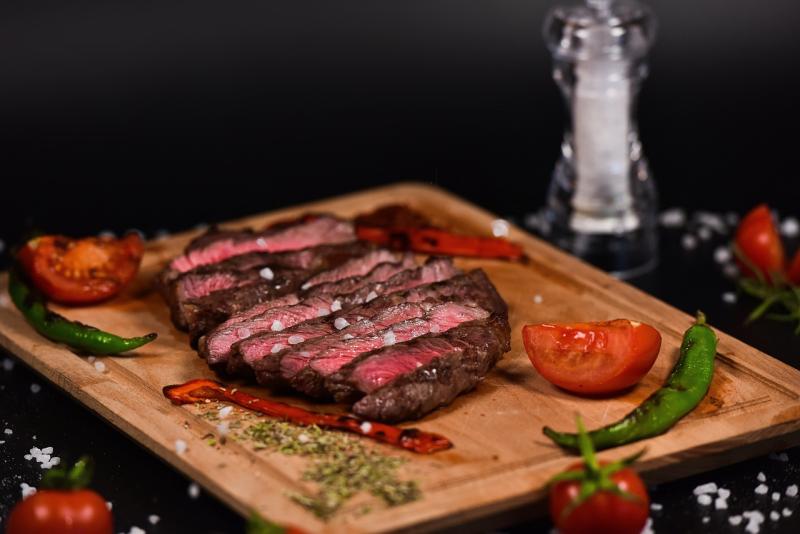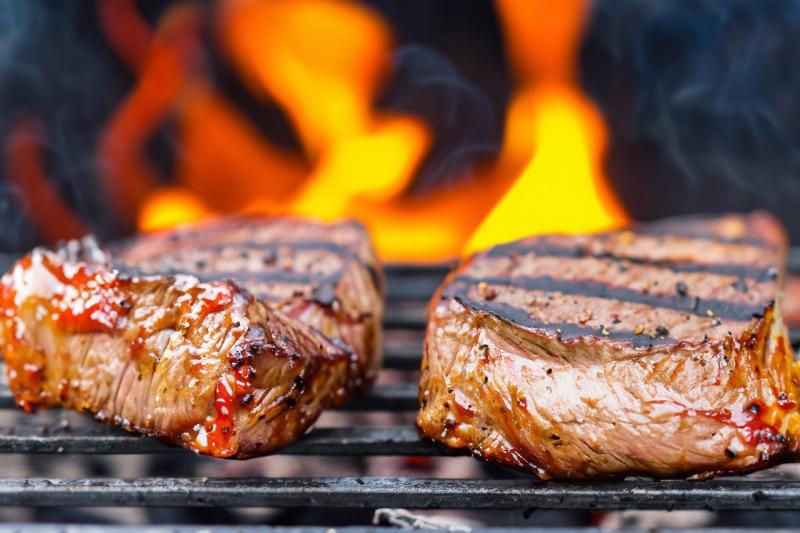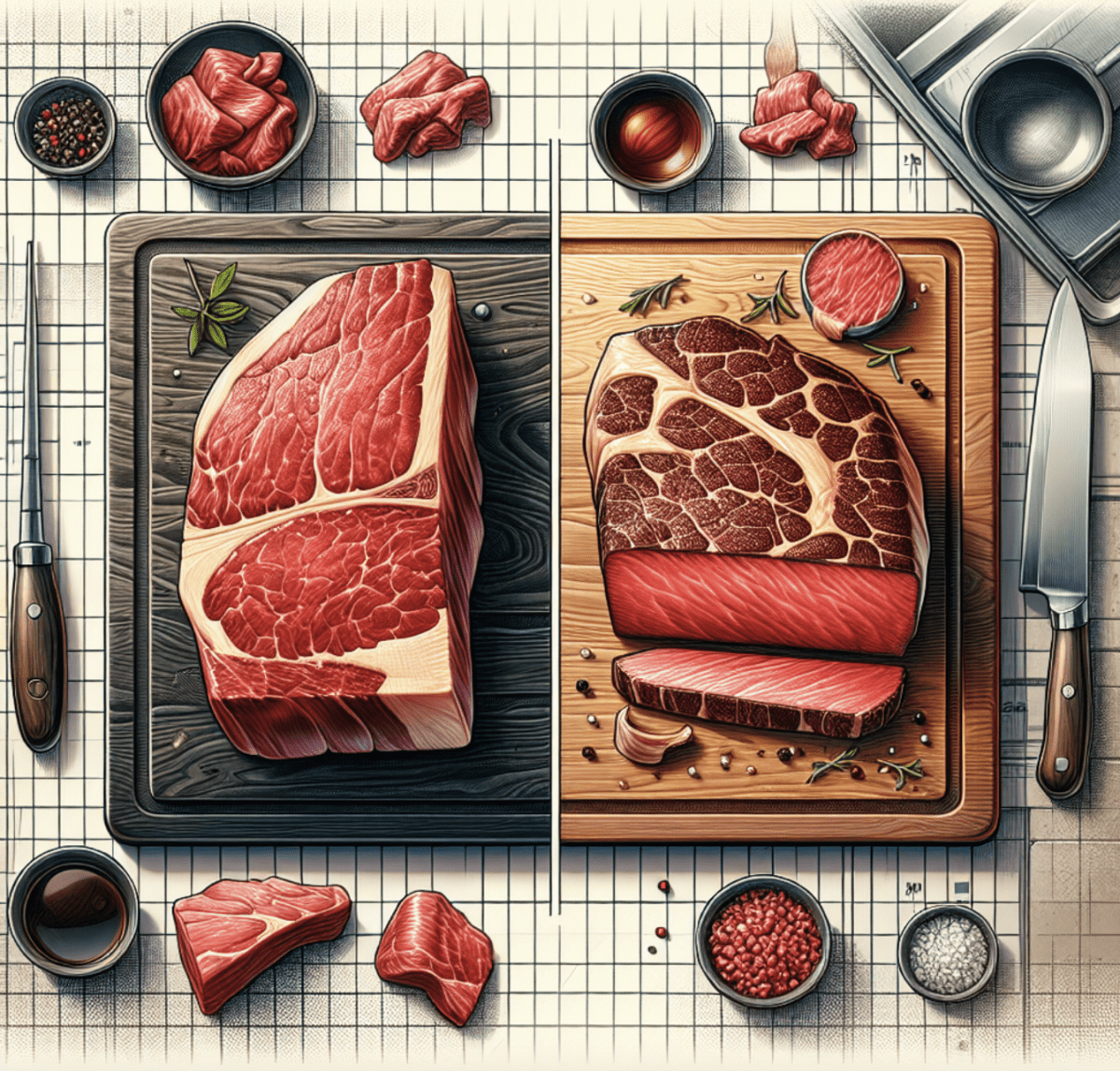
When it comes to beef, there’s a lot to learn. It’s not just a simple choice of red meat; there are different cuts, grades, and types that can totally change your dining experience. Let’s break down some beef basics.
First off, we have the different cuts. You’ve probably heard of popular cuts like ribeye, sirloin, and tenderloin. Each cut has its own flavor and texture. Ribeye is juicy and marbled, which gives it a rich taste. Sirloin is leaner, making it a great option if you want something a bit healthier but still tasty. Tenderloin is super tender and becomes a real treat when cooked right.
Next up is the grading system. Beef is graded based on its marbling, color, and texture. You’ll mostly see USDA Prime, Choice, and Select. Prime is top-notch with the best marbling. It's what you’ll find in high-end restaurants. Choice is still good and offers great flavor, while Select is leaner and can sometimes be tougher. Knowing the grade helps you pick the best meat for your needs.
Let’s not forget about the importance of sourcing. The way beef is raised and fed can make a big difference. Grass-fed beef tends to have a different flavor profile and is often considered healthier. Grain-fed beef, on the other hand, typically has more marbling, which means it can be super juicy and flavorful.
Staying informed about these beef basics helps you make better choices, whether you’re firing up the grill or whipping up a cozy dinner at home. Understanding the differences can elevate your meals and make your dining experiences even better.
Understanding Wagyu Meat
Wagyu meat is not just any beef; it’s a whole experience. Originating from Japan, this beef is known for its incredible marbling, which gives it that melt-in-your-mouth texture. The name "Wagyu" actually means "Japanese cow," and these animals are raised with care, making them a cut above regular beef.
The secret behind Wagyu’s unique flavor and tenderness lies in how the cows are raised. These cows often enjoy special diets and sometimes even have a stress-free lifestyle. This helps develop high levels of intramuscular fat, or marbling, which results in beef that’s juicy and flavorful. If you’ve ever tasted a Wagyu steak, you’ll know what I mean—it’s rich, buttery, and downright delicious.
There are different grades of Wagyu, and the highest grades are often the most sought after. Look for the ones labeled A5, which is the cream of the crop. But even if you opt for a lower grade, you’ll still get a taste experience that’s surprisingly different from regular beef. It’s worth exploring the various grades to find what fits your palate and budget.
If you’re curious about cooking with Wagyu, remember that this isn’t the kind of meat you throw on the grill without a second thought. Cook it low and slow to truly savor its flavor. A simple sear is often all it needs. Pair it with simple sides that won’t overpower its natural richness, and you have a meal that will leave everyone talking.
Taste Profiles of Both Types
When it comes to taste, beef and Wagyu each have their own unique profiles that set them apart. Regular beef has a well-rounded flavor that's familiar to most people. It can be rich and hearty, perfect for classic dishes like burgers, steaks, and roasts. You'll often notice a bit of a beefy bite, especially with well-marbled cuts.
Wagyu, on the other hand, is in a league of its own. Its taste is exceptionally buttery and rich due to the high marbling of fat that runs through the meat. This marbling isn’t just pretty; it melts into the meat as it cooks, delivering an unforgettable texture and flavor that’s truly luxurious. When you take a bite of Wagyu, you get a whole experience—the tenderness, the juiciness, and that melt-in-your-mouth effect.
People often say Wagyu tastes sweet, and that’s not just a coincidence. The unique fatty acids in Wagyu contribute a sweetness that regular beef doesn't have. It’s this difference that makes Wagyu a favorite among meat enthusiasts. It's not just beef; it's an indulgence.
If you're pondering a dish, regular beef is your go-to for hearty meals, while Wagyu is perfect for special occasions where you want to impress. Just remember, you don’t have to dress up Wagyu too much—let that flavor shine through with simple seasonings!
Choosing the Right Meat for You
When you're diving into the world of beef, it can get a little overwhelming with all the choices out there. From standard cuts to the luxurious Wagyu, each type has its own vibe and flavor. If you're wondering how to choose the right meat for you, let’s break it down.
First off, consider your cooking method. If you're grilling or searing, go for cuts like ribeye or sirloin for a nice balance of flavor and tenderness. These cuts hold up well on high heat and deliver that juicy bite we all love. On the other hand, if you’re into slow-cooking or braising, chuck roast and brisket are your best friends. They become incredibly tender with some time and low heat.
Now, let’s talk about Wagyu. This isn’t just beef; it’s a whole experience. Known for its intense marbling, Wagyu beef melts in your mouth and has a rich flavor that’s hard to beat. If you’re looking to impress at a dinner party or just want to treat yourself, it’s a fantastic choice. But keep in mind, it also comes with a higher price tag. Make sure it aligns with your budget!
Another important factor is where your beef comes from. Local farms often have great quality, and you can support your community by choosing grass-fed options. Grass-fed beef offers a different flavor profile, plus it’s typically leaner. Wagyu, on the other hand, is often grain-fed, which contributes to its luxurious marbling. Think about what matters most to you—flavor, texture, farming practices.
Finally, don’t forget to consider how you like your meat cooked. Different cuts shine at different levels of doneness. If you love a good medium-rare ribeye, go for it! But for tougher cuts, aim for well-done to get the most tenderness. Ultimately, trust your taste buds and personal preferences. There's no wrong way to enjoy beef!